![Gustave Caillebotte. Paris Street, Rainy Day (La Place de l’Europe, temps de pluie). 1877. Oil on canvas. Art Institute of Chicago. [Source: Wikimedia Commons]](../wp-content/uploads/2009/02/gustave_caillebotte_paris_street_rainy_day_1877_wiki.jpg "gustave_caillebotte_paris_street_rainy_day")
![Fog at Isle Royale [Source: wildmengoneborneo.com]](../wp-content/uploads/2008/04/isle_royale_fog.jpg "Fog at Isle Royale [Source: wildmengoneborneo.com]")
![President George H.W. Bush signs into law the Americans with Disabilities Act (ADA) on July 26, 2023 as Justin Dart looks on. [Source: ucp.org]](../wp-content/uploads/2010/07/ada_signing_072690_ucp_2.jpg "ada_signing_072690_ucp_2")

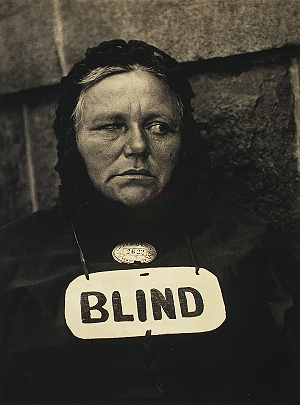
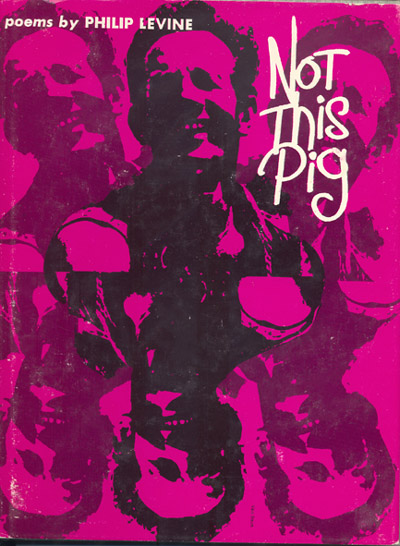 If there is an emerging genetic underclass, I could run for class president or class clown. Read more in
 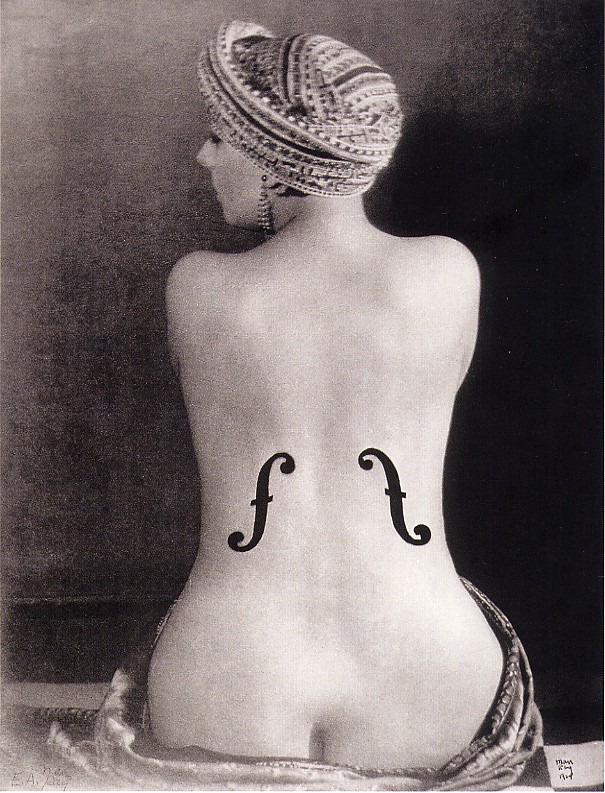 The legendary Kiki of Montparnasse posed for Man Ray’s
 1
1
 September 11, 2023 at 1:14pm
 by Mark Willis
 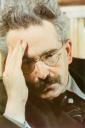 Illuminations (1968) is the most-widely read anthology of Walter Benjamin’s writing in English. The essays gathered there, including “Unpacking My Library” and “The Work of Art in the Age of Mechanical Reproduction,” were chosen by Hannah Arendt. She also contributed a 50-page essay on Benjamin that is at once authoritative and provocative. Arendt was uniquely qualified to write such a critique. She was Benjamin’s cultural contemporary, his intellectual equal, and his cousin. She could, and did, comment on family matters no other scholar was privileged to know. Forty years later, Arendt’s is the best introduction to Walter Benjamin’s short life and prodigious work. I will return to it often on this flaneur’s journey.
The final section of Arendt’s essay is titled “The Pearl Diver.” It opens with a quotation from Shakespeare’s Tempest (I.2):
Full fathom five thy father lies,
Of his bones are coral made,
Those are pearls that were his eyes.
Nothing of him that doth fade
But doth suffer a sea change
Into something rich and strange.
Upon this epigram Arendt builds an extended metaphor about quotation as a bold new form of cultural production. She calls it “destructive quotation.” I think of it as “radical collage.” The father whose coral bones lie beneath the sea is the corpse of historical tradition. The pearls that were his eyes are quotations freed from the context of that tradition. The pearl diver who plucked such buried treasures from the corpse of history, who turned them around and around in the rich and strange clarity of naked light, was Walter Benjamin.
Arendt credits Benjamin with first reaching this insight about new uses of the past. She likened his ambitious critical projects to surrealist montage. Quotations in his prose were wielded like cudgels and knives meant to sunder complacency. Radical juxtaposition of old texts could lead to new and startling ways of experiencing the world. Benjamin explained his motive thus:
Quotations in my works are like robbers by the roadside who make an armed attack and relieve an idler of his convictions.
[Schriften (1955) 1: 571. Quoted in Arendt (1968) 38.]


1 Comments
#1. a blind flaneur 09.15.2007
[...] Walter Benjamin: The Pearl Diver [...]
Leave a Comment