Selected by Tom Roberts
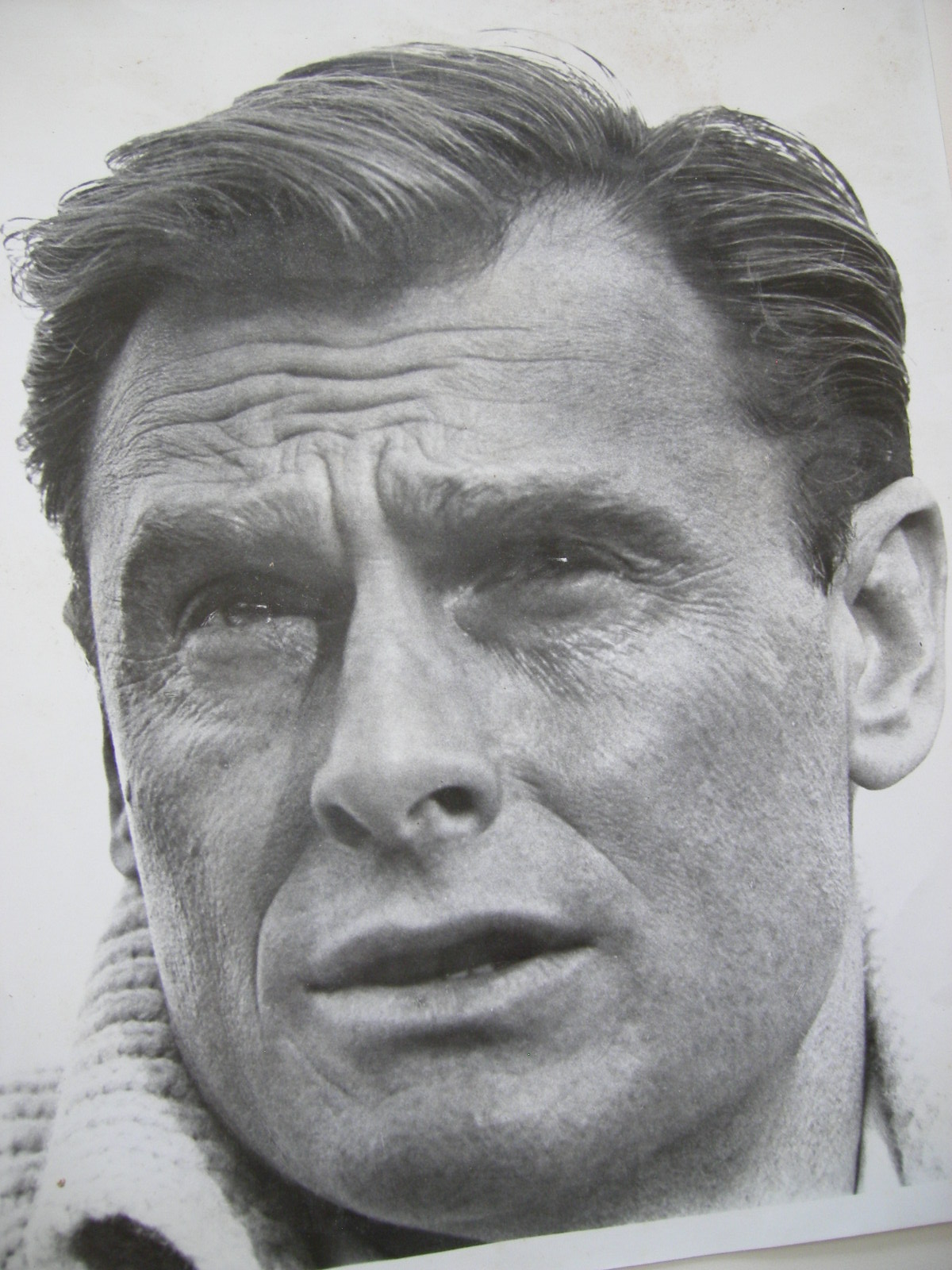
John Granger headshot
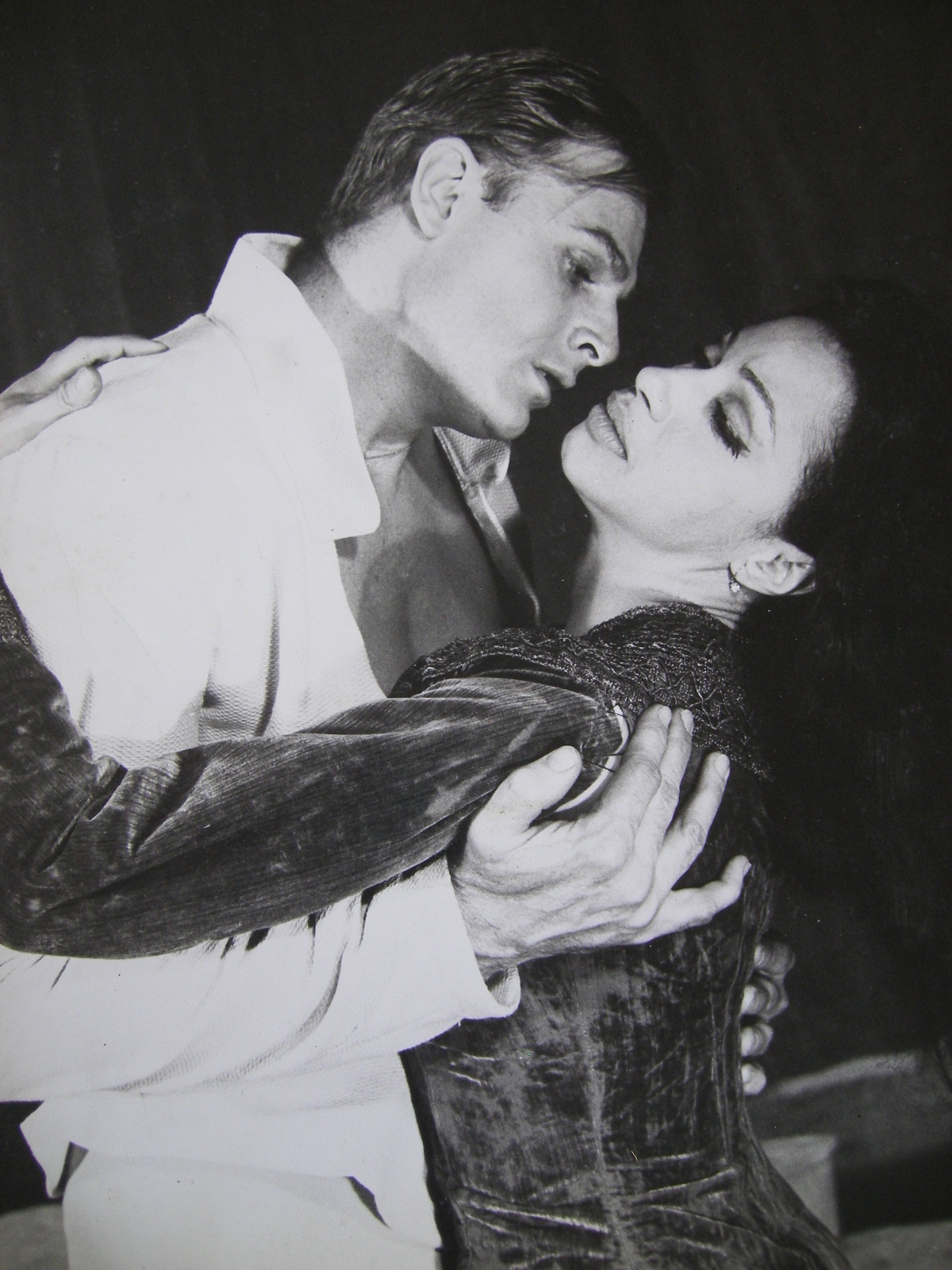
John Granger: The Embrace
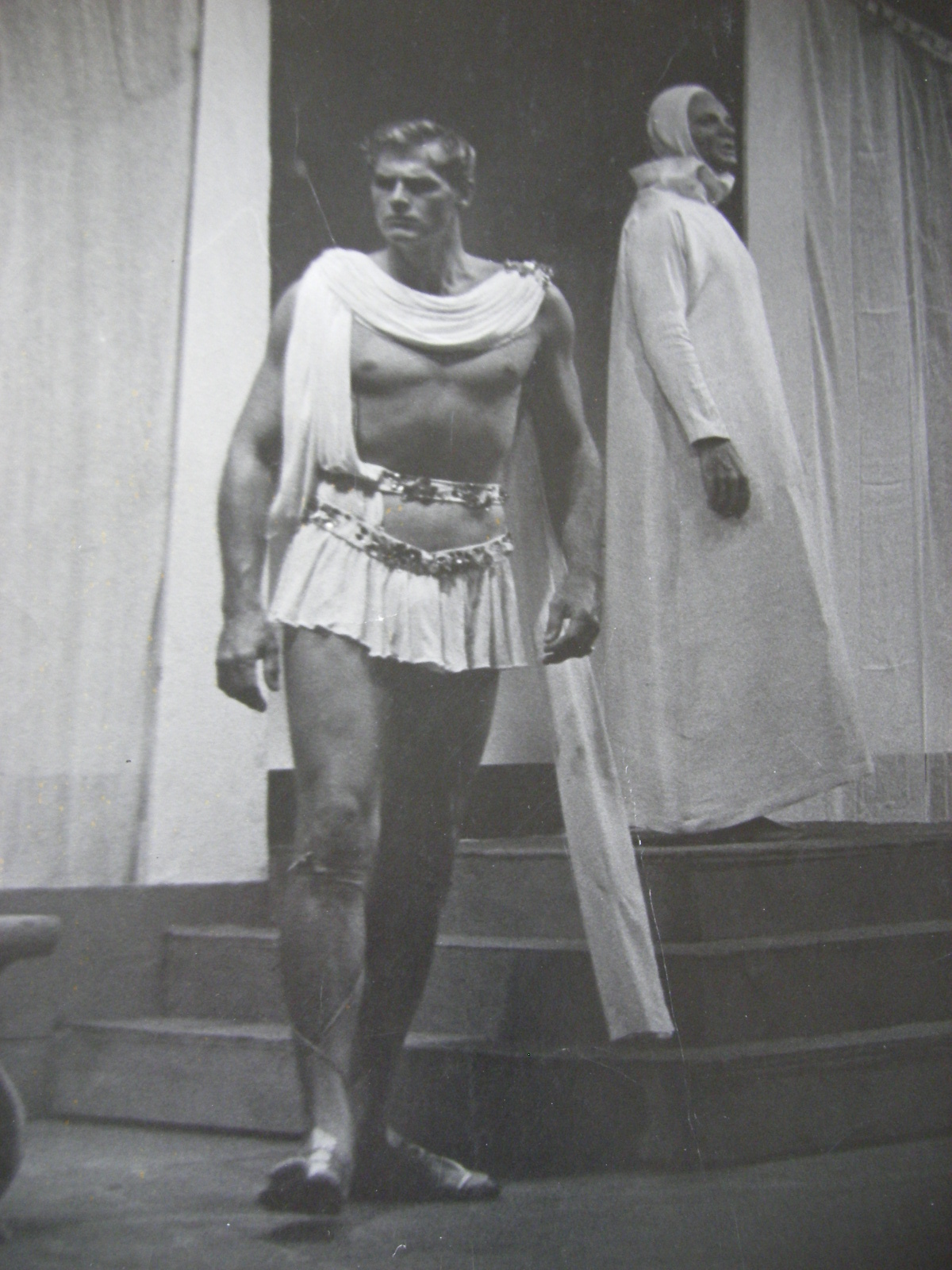
John Granger: Othello
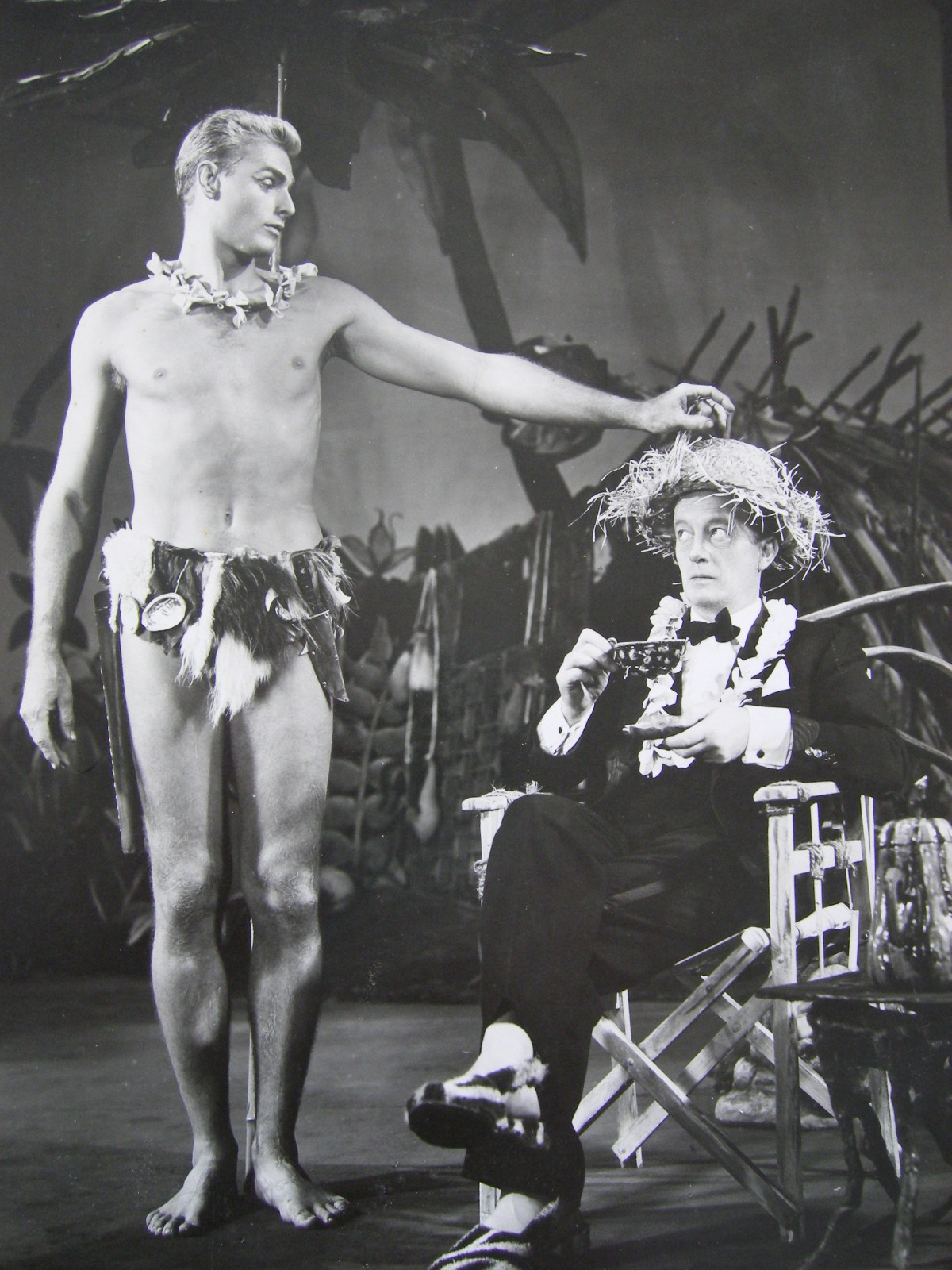
John Granger: Scene from ‘Little Hut’
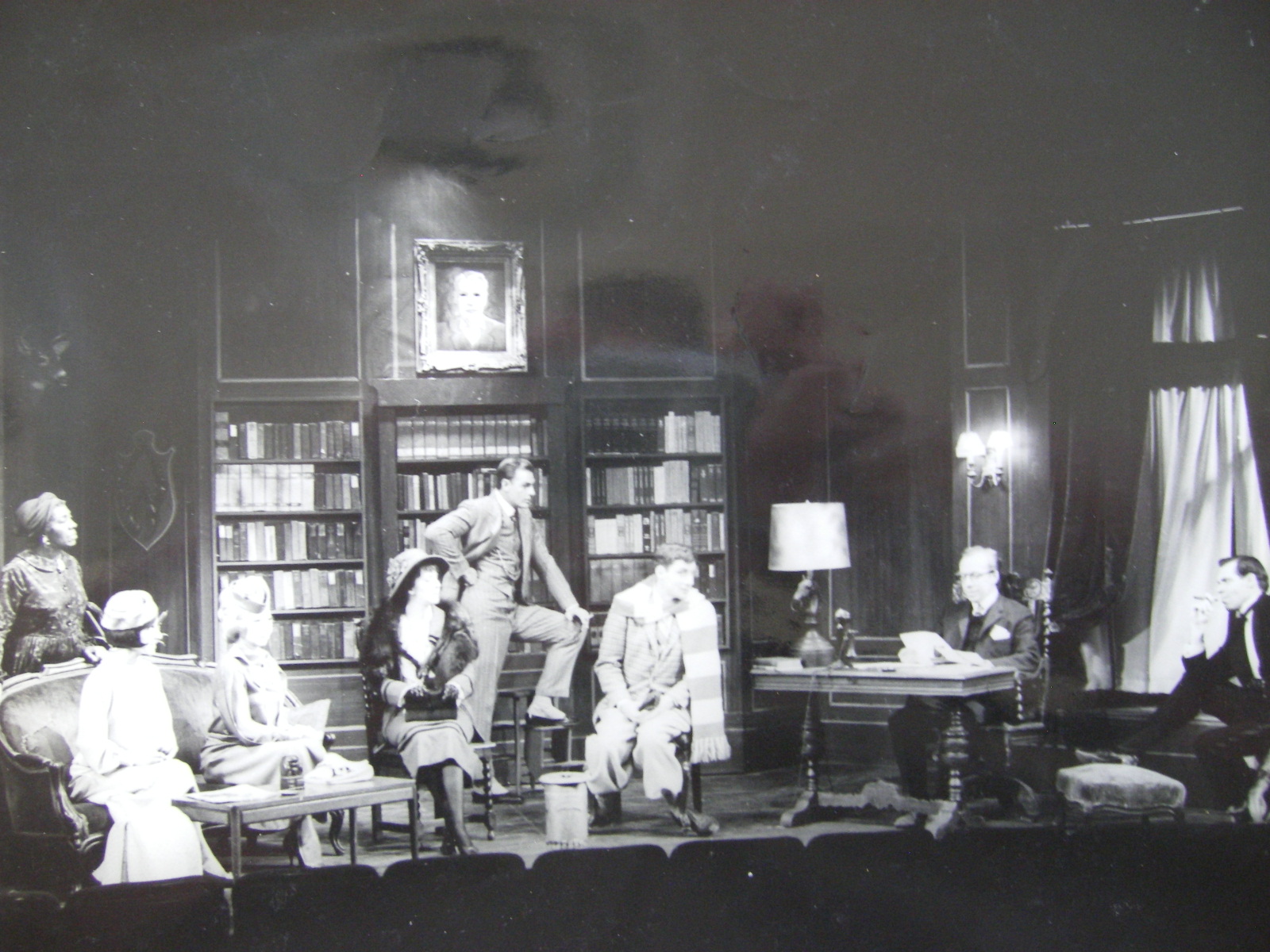
John Granger: Set cat and canary
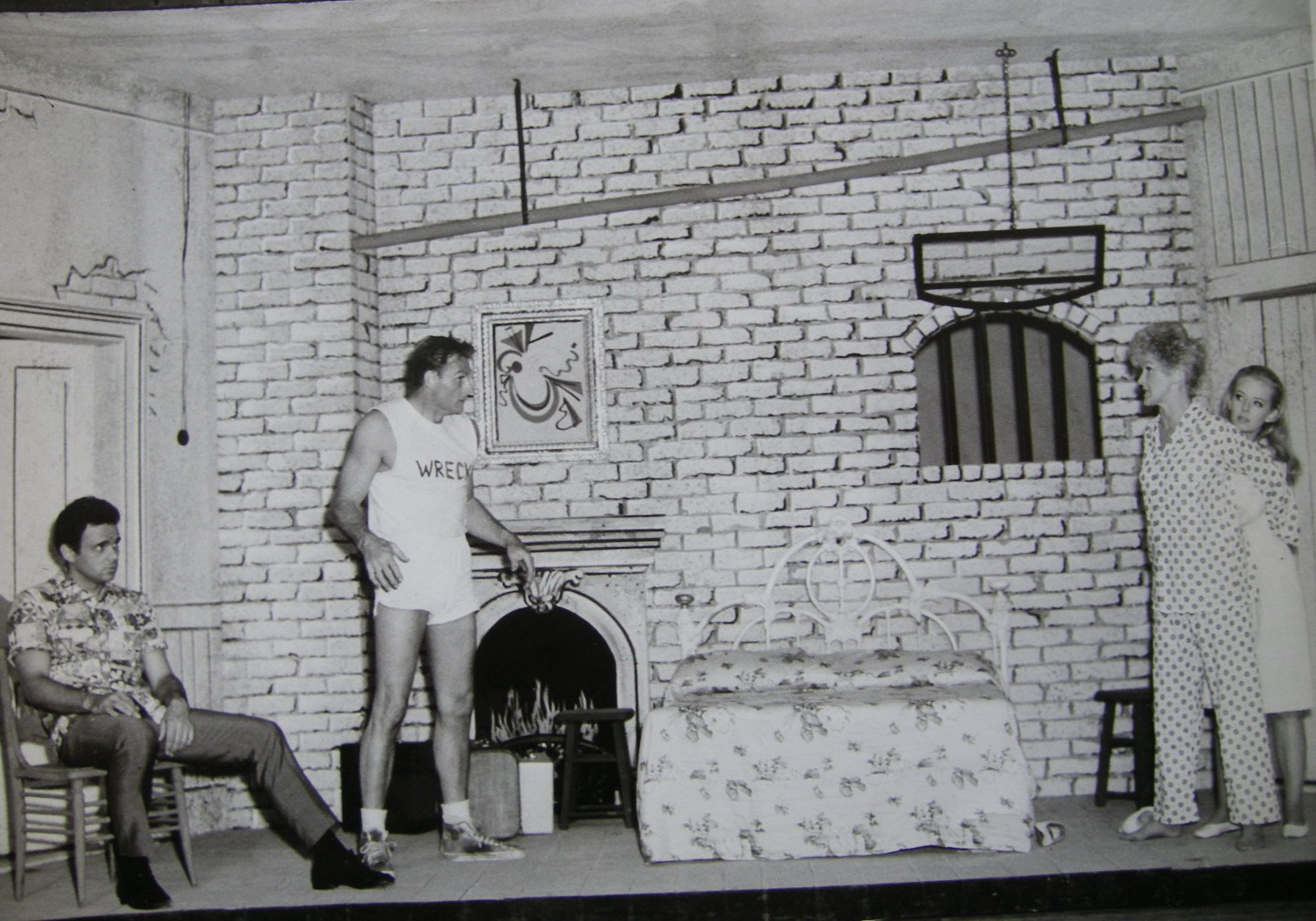
John Granger with Stritch
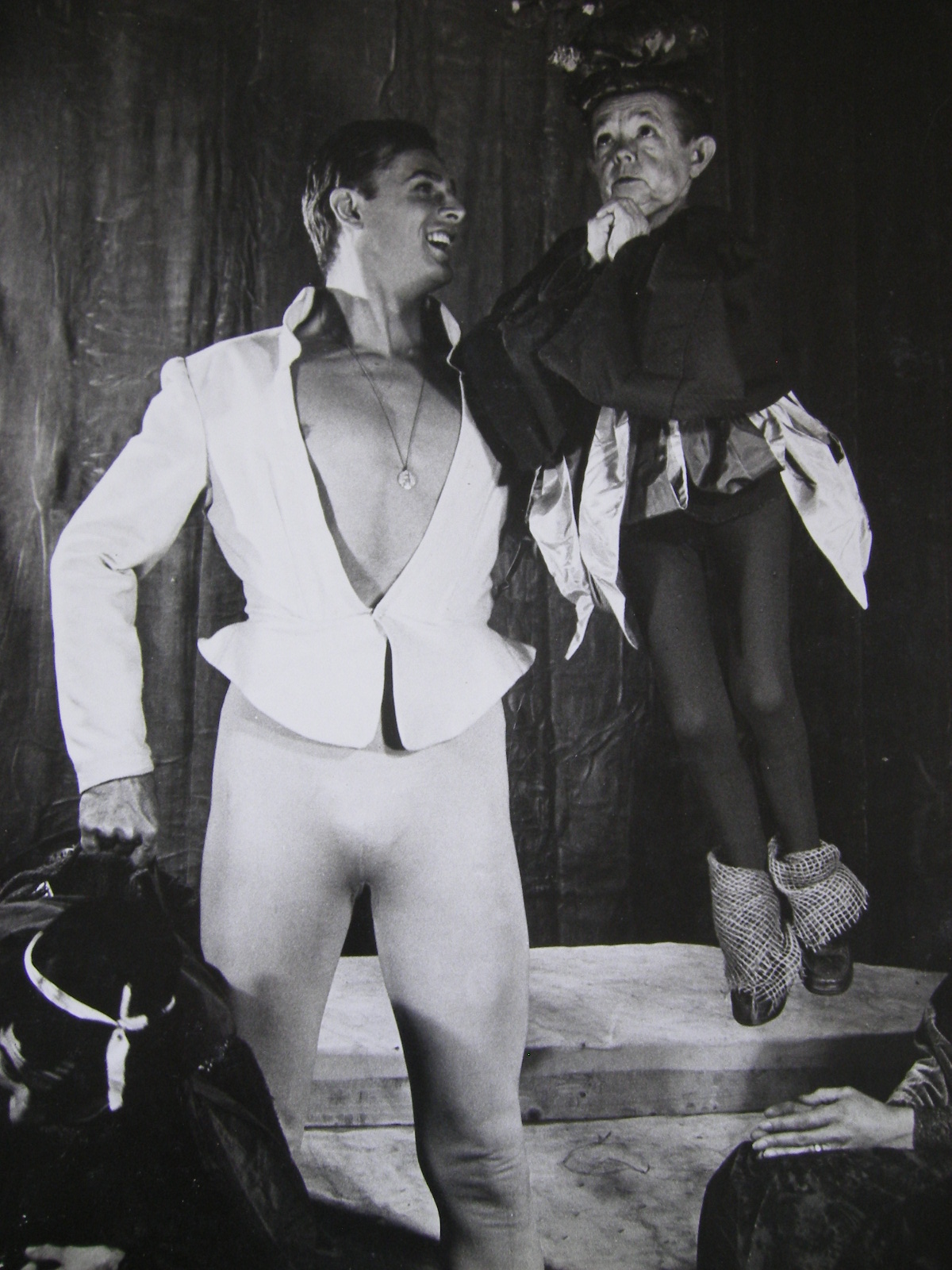
John Granger: Unknown photo
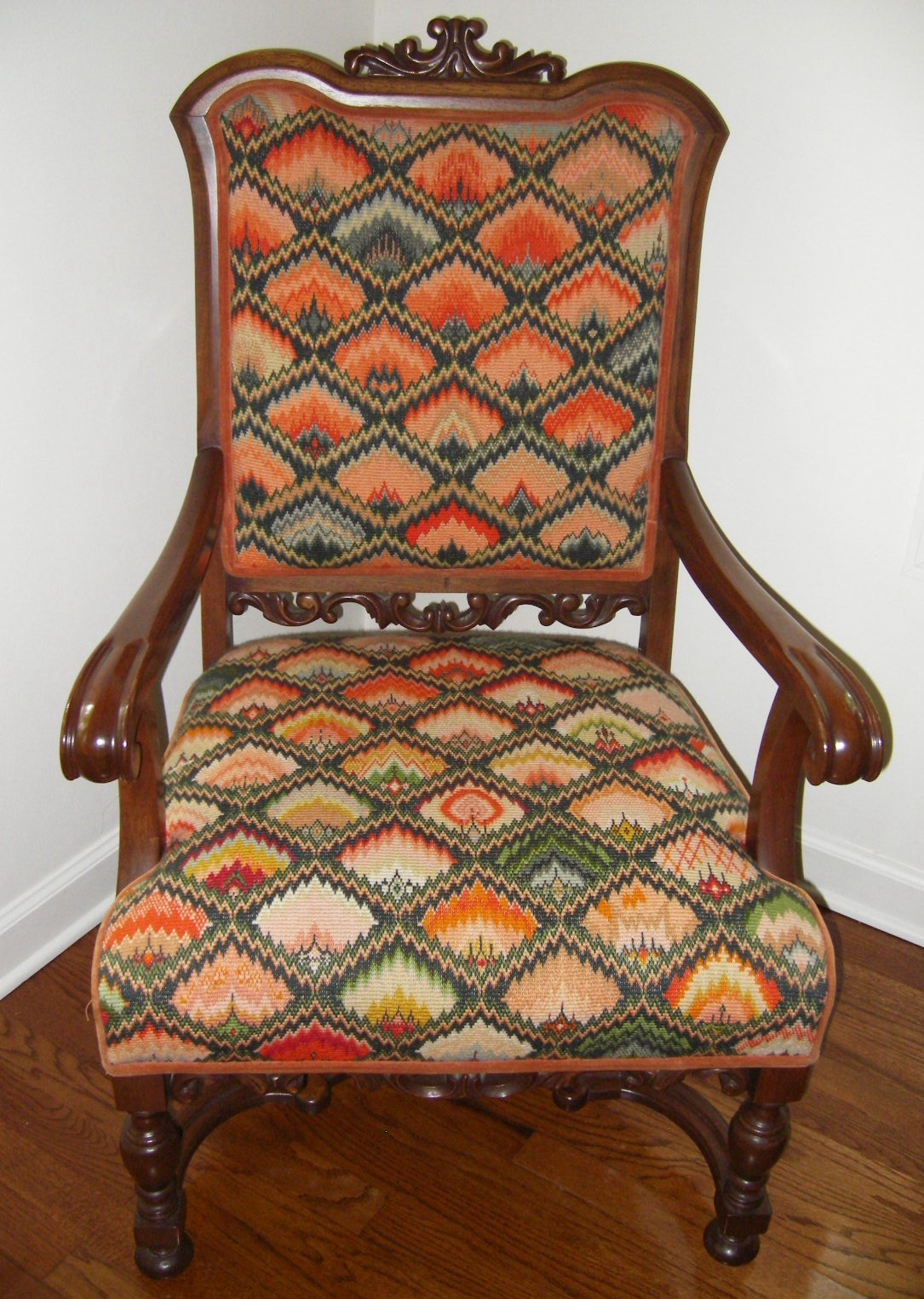
John’s chair
Selected by Tom Roberts
John Granger headshot
John Granger: The Embrace
John Granger: Othello
John Granger: Scene from ‘Little Hut’
John Granger: Set cat and canary
John Granger with Stritch
John Granger: Unknown photo
John’s chair
![Gustave Caillebotte. Paris Street, Rainy Day (La Place de l’Europe, temps de pluie). 1877. Oil on canvas. Art Institute of Chicago. [Source: Wikimedia Commons]](../../../../wp-content/uploads/2009/02/gustave_caillebotte_paris_street_rainy_day_1877_wiki.jpg "gustave_caillebotte_paris_street_rainy_day")
I walk through my blindness the way I wander down streets in Paris: unfettered and alive, alert to the raw material of the senses. I am a flaneur. Come along with me. Just don’t try to take my arm, unless I ask. What’s a flaneur? Read the first post, Return of the Flaneur to Galerie Vivienne. After that, try Foot Rage and the Blind Flaneur. Then stay tuned.
![Fog at Isle Royale [Source: wildmengoneborneo.com]](../../../../wp-content/uploads/2008/04/isle_royale_fog.jpg "Fog at Isle Royale [Source: wildmengoneborneo.com]")
I’ve canoed on Lake Superior for almost as many years as I’ve been losing eyesight. I return year after year like a migrating loon to learn the other side of a slow, uncertain process that we could call “going blind.” After 35 years with the lake as my teacher, I know what lies on the other side. I call it letting go of sight. Read Big Water. See more about the Great Lakes.
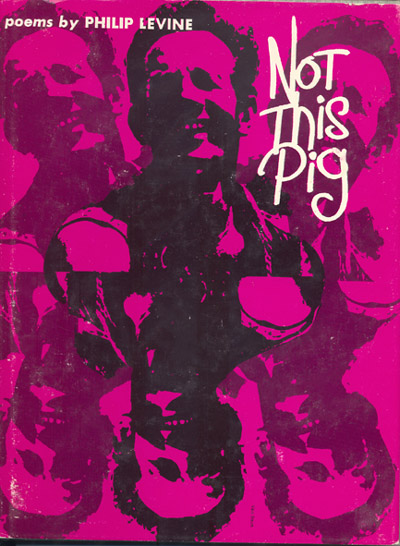 If there is an emerging genetic underclass, I could run for class president or class clown. Read more in Not This Pig (2003).
Disabled Americans today have to negotiate for the kinds of accommodations made for FDR, and the caveat “reasonable accommodation” is built into the law. President Franklin Roosevelt did not have to negotiate. He could summon vast resources of the federal government – money as well as brains – to accomplish the work of disability. And it was accomplished with such thoroughness and efficiency that its scale could be called the Accessibility-Industrial Complex had it been directed toward public accommodations and not solely the needs of a single man. Read FDR and the Hidden Work of Disability [MiT8 2013]
Shepard Fairey claimed that his posterization of a copyrighted AP news photo of Barack Obama was a transformative work protected by the fair use doctrine. In other words, it was a shape-shifter. I claim fair use, too, when I reproduce and transform copyrighted works into media formats that are accessible to me as a blind reader. Read Shape-Shifters in the Fair Use Lab [MiT6 2009]
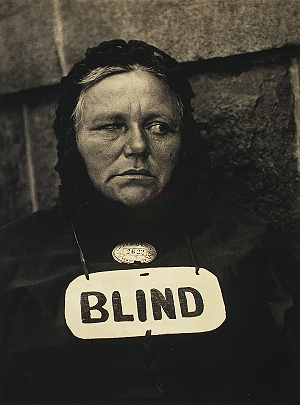
The social engineers who created a system for licensing beggars in New York never imagined that a blind woman had culture or could make culture. She herself may not have imagined it, either. In the moment when Paul Strand photographed her surreptitiously on the street in 1916, he could not have expected that one day blind photographers would reverse the camera’s gaze. Read Curiosity & The Blind Photographer. [MiT5 2007]
John Granger was 6’5” and built like a statue of Apollo. His muscular hands were so large that they would encase an ordinary-sized man’s handshake. John’s life partner for his last forty years, my Uncle Terry, used to say that John was overlooked for important roles because he towered over most leading ladies and made other men look puny on stage. When John was cast, it was often because of his jaw-dropping physical appearance: as a soldier in the 1945 Broadway production of OTHELLO with Paul Robeson; as an imposing guard in THE MAN IN THE GLASS BOOTH; as the nearly- nude male seducer of the leading lady in the 1953 Broadway comedy, THE LITTLE HUT. He had a few film credits, most notably as a gay male hustler in Otto Preminger’s 1962 political masterpiece, ADVISE AND CONSENT.
I first met John when I was 8 years old, and he died when I was 37, in 1993. Over the years, I saw him perform in several small theater productions off-Broadway. The most memorable was in 1974, when he acted in a two-person production of MINE, by playwright Jane Chambers, an off-beat drama about a homeless man and woman arguing over a small patch of sidewalk in New York City. In this role, he delivered an impassioned ten-minute monologue about his descent from respected citizen to skid row bum. It was the only play I saw where John owned the stage.
During his last twenty years, I was a delighted, mesmerized audience at Uncle Terry and John’s kitchen table in a one-room schoolhouse where they lived in Bucks County, Pennsylvania. I would listen intently while he recounted and performed his life history; sometimes the light of morning would remind me of the here-and-now. In my later years, the names of legendary performers he worked or socialized with would sound like a who’s who of American theater lore: Tallulah Bankhead, Paul Robeson, Henry Fonda, Elaine Stritch, Peter Falk. But in the rich drama that John spun while at his kitchen table, these actors were to me the supporting cast that served to make John’s life even more interesting. He was not only a marvelous actor, but also an accomplished artist, oil painting restorer and antique aficianado.
Once, in the early 1980’s, John showed me a picture of a fire pattern chair featured on the cover of ART & ANTIQUES magazine, and owned by The Metropolitan Museum of Art. He was enamored with that chair, and wanted to reproduce it. True to John’s remarkable personality, he met with the curator of The American Wing of the MOMA, and requested permission to see the chair first-hand. The curator allowed John to enter a storage area in the basement, and to trace the pattern of the chair on tracing paper. John taught himself how to do needlepoint, and over a few years, created an incredible replica of that chair, much of it completed while he was off-stage or staying over in towns where he was performing.
Years ago I saw a photo of Mr Granger and fell to his charm.Glad to have found so wonderful memory of this talented man.
John and i became friends in the late ’60’s. A great guy: funny, entertaining and of course a great pleasure to look at. He posed for many of my early works, which sold very well. He is greatly missed.
It was such a nice surprise to see John’s smiling face and imposing figure when i happened upon this webpage through a search engine. I knew both John & Terry personally in the 1980’s and up to their sad passings. I loved the congenial banter,the fun amusing tales and all the rest that was to be shared in knowing these two find old gentleman. I miss them both alot and think of them often. God Bless them and those who were fortunate to know them both.
Pingback: A Flaneur in the Cloud - October 14, 2023 | a blind flaneur